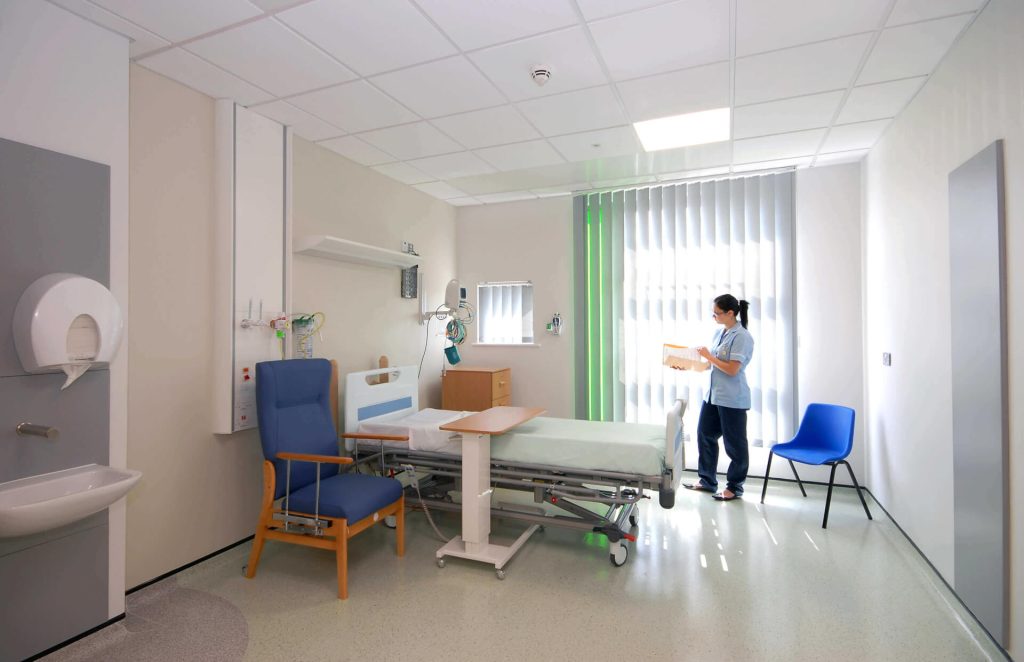
The NHS is heading into winter 2020 in a more difficult and problematic shape than ever before because of COVID-19. Our front-line workers have been working tirelessly since the early part of this year when the global pandemic hit the UK. However, demand is expected to increase even further in the coming months as the usual winter pressures cause additional strain on top of an already lengthy backlog of operations and appointments.
NHS Trusts are attempting to pull out all the stops to prepare for this coming winter and protect the good standards of healthcare that our population expects. To achieve this, planning will be crucial and must involve collaboration with various public and private sector professionals.
Thorough planning, cohesive teamwork and investment into NHS facilities are three key ways to ensure the UK’s population can access the healthcare it needs, and the NHS can provide it.
Much-needed financial aid
Boris Johnson recently announced a £3 billion cash injection to help the NHS in the battle against the coronavirus, which is expected to worsen over the winter months. He said:
“It is possible that the virus will be more virulent in the winter months – and it is certain that the NHS will face the usual, annual winter pressures.
“We have substantially increased the pipeline of personal protective equipment (PPE) for the NHS and social care – constituting over 30 billion items of PPE over the course of the pandemic and will also be rolling out the biggest ever flu vaccination programme in the history of the UK.”
While the Prime Minister’s investment in the NHS is very much welcomed, NHS Trusts will ultimately be responsible for ensuring they are well prepared for the incoming seasonal pressures, and the potential ramifications of a second wave of COVID-19.
A new report from the Academy of Medical Sciences, confirmed that a backlog of patients needing NHS care following the first wave, a possible flu epidemic and the worsening of infectious diseases such as asthma, heart attack, chronic obstructive pulmonary disease and strokes, will pose a serious risk to the health of UK citizens.
Making the right investments
NHS Trusts will undoubtedly have plans in place already, but with greater demand than ever before on our healthcare facilities, this the right time to consider investing in new hospital buildings. One such solution that will enable NHS Trusts to increase capacity in a cost-effective, timely manner is modular construction.
A great alternative to traditional methods, modular construction has evolved tremendously in recent years and produces high-quality, state-of-the-art healthcare buildings that are a fantastic, sustainable addition to any hospital estate.
These buildings can be used for permanent or shorter-term solutions and can be considered ‘futureproof’ investments, meaning they can be remodelled or reutilised in the future, long after the COVID-19 epidemic draws to a close . They can be available for hire immediately with no capital outlay, and can be manufactured, installed and ready for use in a matter of weeks, with minimal works required on the Trust site.
Despite the government’s financial pledge, a lack of immediate finance may be a huge burden on NHS Trusts in the coming months. At ModuleCo Healthcare, we manage the entire process with all facility and site set up costs condensed into one affordable, monthly amount. This allows NHS Trusts to expand their capacity without needing to bear huge financial expenditure upfront.
What next?
We cannot stress enough that the time to take action and prepare is now (from August to October) while infection rates are low. It will be much more difficult to make effective changes during a new peak of COVID-19, which is likely to occur in January and February according to the World Health Organisation.
If you’re interested in creating exceptional, bespoke and sustainable spaces that will make a tremendous difference to the delivery of healthcare in hospitals this winter, get in touch with us today – rhenry@healthcarehire.co.uk