When clinical capacity comes under pressure, the need for additional space rarely comes with the luxury of time. For NHS Trusts across the UK, temporary clinical facilities have become an increasingly practical solution for maintaining care continuity without the cost or disruption of permanent construction.
Not all temporary facilities are the same. The two most common options, mobile and modular, differ significantly in how they’re built, how they perform, and what they’re best suited for. Choosing the wrong option for your requirements can affect everything from infection control standards to patient experience.
Within this blog, we break down the key differences to help make the right decision for your requirements.
What Are Temporary Clinical Facilities?
Temporary clinical facilities are
purpose-built to provide additional or replacement clinical space on a short or medium-term basis. They are typically used to support planned decant during refurbishment and to manage seasonal or unexpected demand spikes.
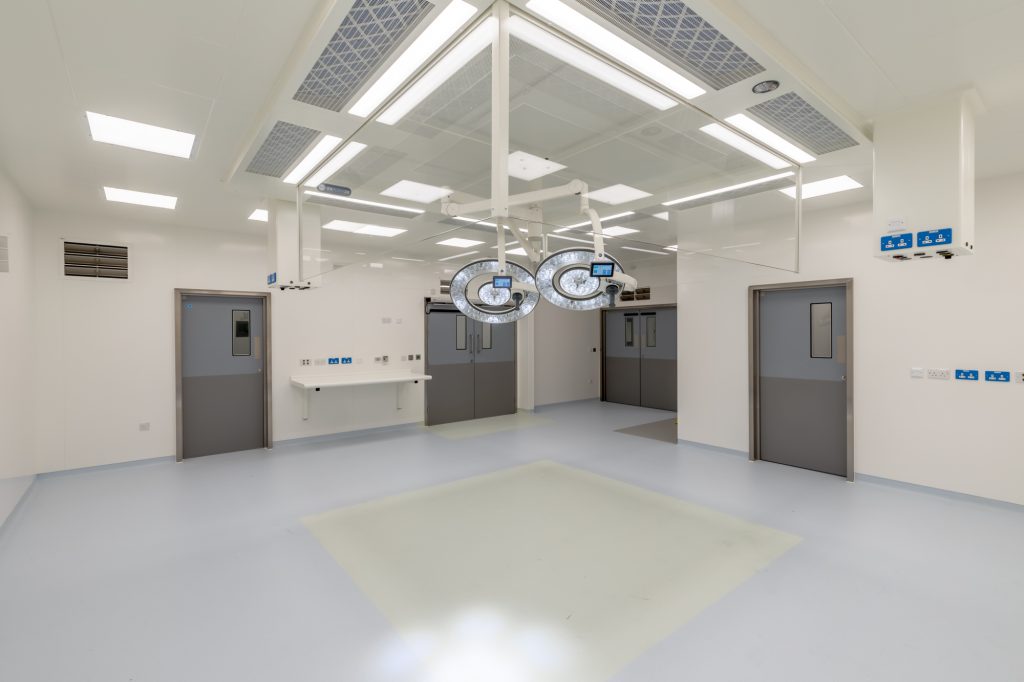
They are most commonly used in operating theatres and inpatient wards, although they can also be used in a broader range of clinical environments, including consultation rooms, recovery spaces, and diagnostic facilities.
Temporary facilities broadly fall into two categories: mobile units, which are vehicle-mounted and delivered ready to use, and modular buildings, which are constructed off-site and commissioned on-site. Both serve the same fundamental purpose, but they approach it very differently.
When to Choose Mobile Clinical Units
Mobile clinical units are best suited to short-term, time-critical requirements where speed of deployment is the primary concern. Delivered as a self-contained, vehicle-mounted structure, they can be on-site and operational quickly, making them an ideal option when there is little time to prepare a site or when the requirement is unlikely to extend beyond a few months.
They are particularly well-suited to high-throughput, lower-complexity treatments where a fully compliant clinical environment may not be required. Diagnostic scanning is a good example; mobile MRI and CT units are a familiar sight in supermarket car park settings, providing rapid access to imaging without the need for a permanent facility. For this type of requirement, mobile units offer a cost-effective and flexible solution.
However, the constraints of a vehicle-mounted structure in terms of size, specification, and compliance mean that mobile units are not always appropriate for more complex or longer-term clinical requirements.
When to Choose Modular Clinical Facilities
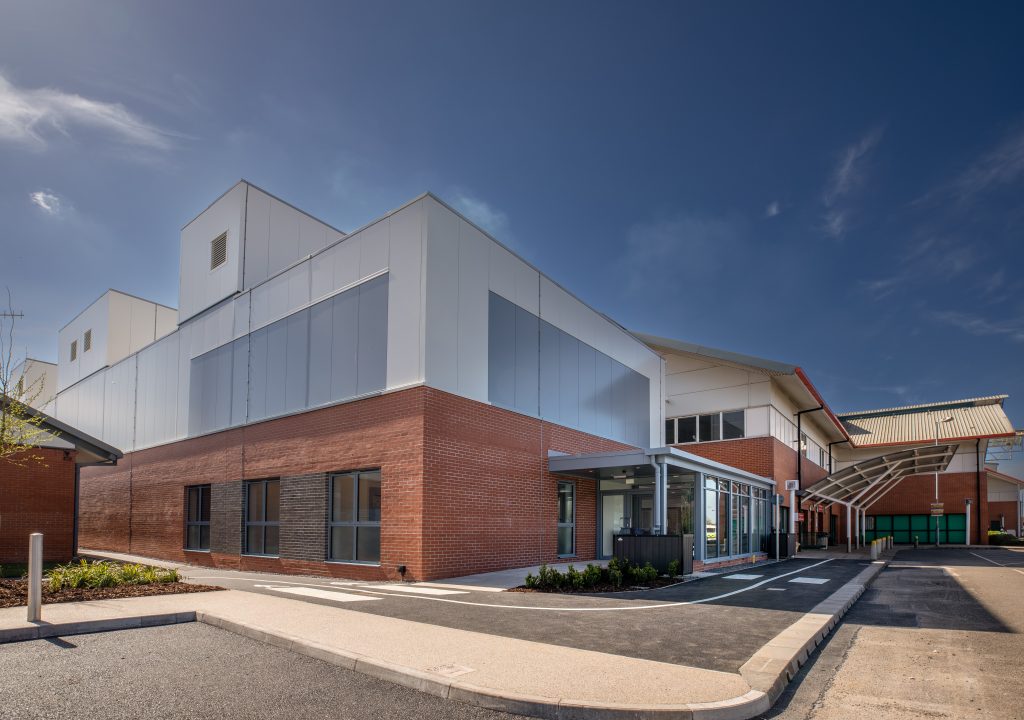
Where the requirement is more complex, the timescale extends beyond a few months, or clinical and regulatory standards cannot be compromised. A modular facility is built offsite to a full clinical specification and assembled on a prepared site, delivering an environment that is functionally indistinguishable from a permanent facility.
For operating theatres and inpatient wards in particular, the clinical environment is a significant part of the treatment. Ventilation, surface specification, spatial flow, and compliance with HTM and HBN specifications are not optional extras; they are fundamental to safe care delivery.

Modular construction is designed to meet these requirements in full. Modular facilities are also better suited to longer hire periods where the quality of the environment has a direct impact on staff performance, patient experience, and clinical outcomes.
How Do They Compare?
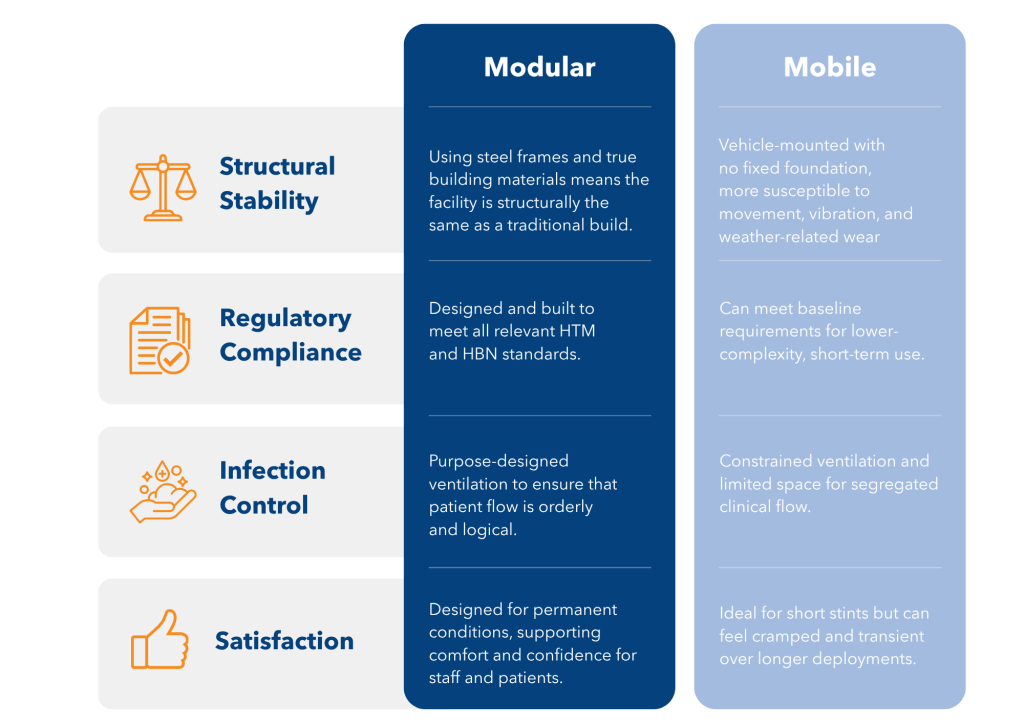
For NHS Trusts weighing up a temporary clinical facility, four factors often drive the decision: stability, compliance, infection control, and satisfaction. The comparison below sets out how mobile and modular perform against each.
Which Is Right for Your Requirements?
The right choice ultimately depends on the nature of the requirement rather than preference alone. For short-term low-complexity needs, a brief decant, a diagnostic clinic, or a requirement measured in weeks rather than months, a mobile unit can offer a fast, practical solution.
For more demanding facilities, like operating theatres, inpatient wards, and other high-complexity environments, they require a level of stability, compliance, and infection control that only a modular building can consistently deliver.
In practice, most NHS Trusts find that modular provides a better solution whenever the requirement moves beyond a short, lower complexity need, which is increasingly the case given the scale and complexity of current capital and elective recovery programmes.
How ModuleCo Healthcare Can Help
ModuleCo Healthcare designs and constructs high-specification modular clinical facilities for NHS Trusts, built to meet HTM and HBN standards. From operating theatres to wards, every facility is delivered to the same clinical specification Trusts expect from their own estate, for as long as it’s needed.
Beyond the buildings themselves, ModuleCo Healthcare can provide a complete end-to-end service, handling everything from design and planning through to installation, maintenance, and ongoing support. Combined with flexible hire solutions, this gives Trusts a turnkey, hassle-free way to expand clinical capacity, delivered on time, on budget, and with minimal disruption to existing operations.
Get in touch to discuss your requirements and find the right modular solution for your Trust.