Surge capacity is a critical concept in hospital emergency preparedness, describing the ability of healthcare facilities to handle a sudden and significant increase in patient numbers.
Whether triggered by natural disasters, pandemics, or other crises, surge capacity ensures that hospitals can continue to provide timely and effective care despite the strain on resources.
It’s why understanding it is so essential for healthcare professionals, policymakers, and planners aiming to improve resilience and patient outcomes during emergencies.
Understanding Surge Capacity in Healthcare
Surge capacity refers to a hospital’s ability to manage a sudden influx of patients, typically exceeding its normal capacity, often due to disasters or emergencies. It involves having the resources, staff, and systems in place to handle a significantly increased patient load effectively.
Why Surge Capacity in Hospital Care Is Critical During Emergencies
During emergencies such as pandemics or natural disasters, hospitals may experience a surge in patient numbers. Without adequate surge capacity, hospitals can become overwhelmed, leading to compromised patient care and strained resources.
For instance, during the COVID-19 pandemic, hospitals worldwide faced unprecedented challenges in managing the surge of patients according to the BMA, highlighting the importance of robust surge capacity planning.
The Difference Between Planned Capacity and Surge Capacity in Hospital Operations
Planned capacity refers to the standard operational capacity of a hospital under normal conditions, including the number of beds, staff, and equipment available. This can usually be split into required capacity and available capacity, the former being the clinical capacity needed to meet demand, and the latter what can actually be provided at that time.
Surge capacity, on the other hand, is the ability to expand beyond this planned capacity to accommodate a sudden increase in patient numbers. This expansion can involve strategies such as increasing bed availability, mobilising additional staff, and utilising alternative care sites.
Factors Influencing Surge Capacity in a Hospital
Availability of Trained Healthcare Professionals, Supplies and Equipment
The presence of adequately trained healthcare professionals is crucial in managing surge situations. Shortages of medical staff can severely limit a hospital’s ability to provide care during high-demand periods. For example, during the COVID-19 pandemic, many hospitals experienced staffing shortages, which impacted their ability to manage the increased patient load effectively.
Surge capacity is also dependent on the availability of essential medical supplies and equipment, with a need for enough operating theatres and the items necessary for them to operate, such as ventilators, personal protective equipment (PPE), and medications, being two examples.
Inadequate supplies can hinder a hospital’s ability to provide necessary care during emergencies. The COVID-19 pandemic underscored the critical need for hospitals to maintain adequate stockpiles of essential supplies to manage surges effectively.
Physical Space and Infrastructure Considerations
Hospitals must have the physical space and infrastructure to accommodate additional patients during surges. This may involve repurposing existing spaces, setting up temporary facilities, or expanding current infrastructure.
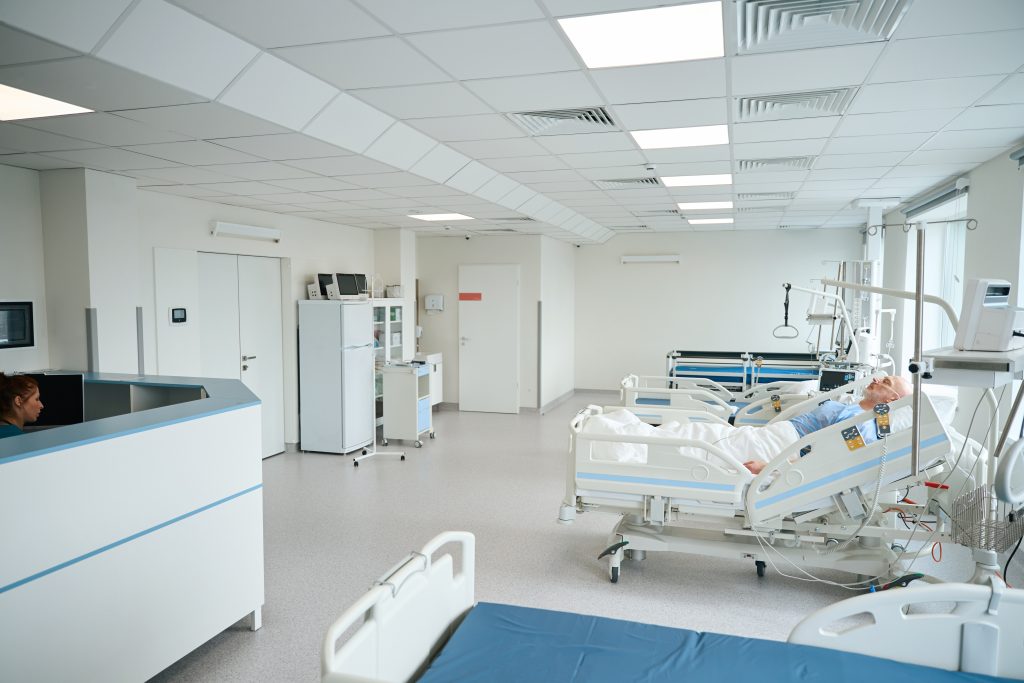
For instance, during the COVID-19 pandemic, many hospitals repurposed non-clinical areas into temporary wards to increase bed capacity and ensure patient care needs were met. While it is possible to achieve this through modular installations, the surge was so intense at the time that adjustments needed to be made faster than even these can be installed, though many hospitals did rely on them for further expansion.
Seasonal Considerations
Seasonal fluctuations in patient demand can significantly influence surge capacity. For instance, winter often brings increased cases of influenza, respiratory illnesses, and complications in vulnerable populations, which place additional pressure on hospital resources. Similarly, summer may see a rise in accident or heat-related admissions.
Strengthening Surge Capacity in Hospital Environments
Hospitals can take several steps to boost their surge capacity and be better prepared for emergencies. One key approach is in investing in ongoing training and drills for staff ensures that teams are familiar with surge protocols and can respond confidently under pressure. Regularly reviewing and updating emergency plans based on lessons learned from past events also strengthens overall preparedness.
Alongside this, other routes include:
Rapid Expansion Strategies for Clinical Infrastructure
To improve surge capacity, hospitals can implement strategies such as establishing alternate care sites, expanding existing facilities, and utilising modular construction methods. These approaches allow for quick adaptation to increased patient numbers and ensure continuous care delivery during emergencies.
Being ready for a sudden surge in patients is key for hospitals to keep running smoothly during emergencies. This means having enough trained staff, medical supplies, and flexible spaces to deal with extra demand.
Recent events have reaffirmed the importance of reaching out to providers who can assist with these capacities for NHS Trusts, helping them ease the burden of high patient influx wherever possible.